The Tribute Journal
What Is a Homegoing Service? Meaning, Order of Service & Program
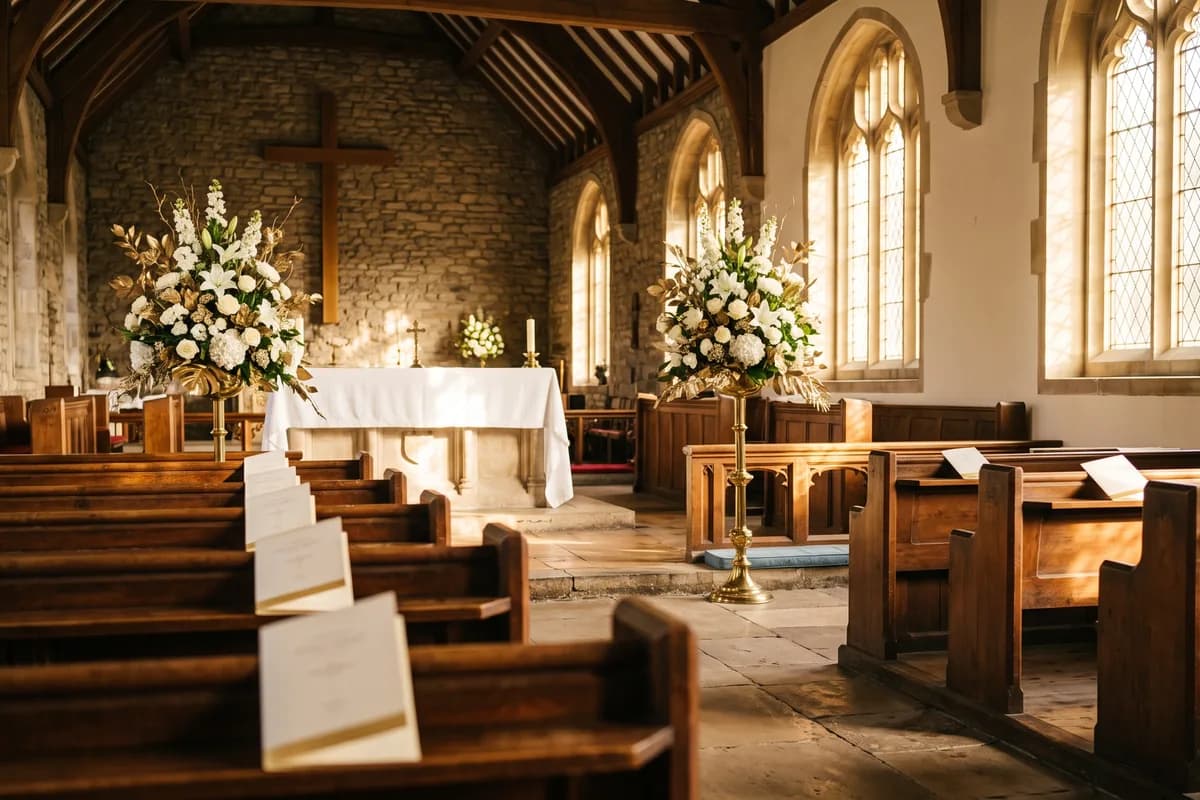
A homegoing service is a Christian funeral in the African American church tradition that celebrates the deceased going home to God. Grief is fully present, but so are joyful hymns, a choir, spirited preaching and a sense of triumph, because in this tradition death is a homecoming as well as a loss.
The Wikipedia entry on homegoing describes it as an African American and Black Canadian Christian funeral tradition "marking the going home of the deceased to the Lord or to Heaven." You will see it written as homegoing, home-going or home going, and the service is also called a homegoing celebration.
Where the tradition comes from
The idea of going home runs deep. Accounts drawn from the National Park Service's study of Gullah Geechee culture and the New Georgia Encyclopedia, both cited in that same Wikipedia article, describe beliefs that death would carry the soul home to Africa. In the Christian faith that shapes the service today, home is heaven.
Enslaved and free Black Americans were often barred from gathering to bury their dead. Today the tradition places great weight on dignity: the e-WV encyclopedia describes a homegoing as a Black funeral tradition that "emphasizes dignity for the deceased."
Black-owned funeral homes have been central to keeping these customs alive. As the Library of Congress puts it, they "are as much cultural institutions as they are businesses."
How a homegoing differs from a typical funeral
- The tone is celebratory. Mourning and rejoicing sit side by side, and mourners are encouraged to express grief openly: to cry, to shout, to sing.
- Music carries the service. Gospel hymns, choir selections and solos, often with the whole congregation joining in.
- It often runs longer. With several musical selections, tributes, resolutions and a full eulogy, many services run well past an hour.
- Dress may not be black. Families sometimes ask mourners to wear white or a color the deceased loved. The e-WV encyclopedia notes mourners "garbed in colorful or white outfits instead of black."
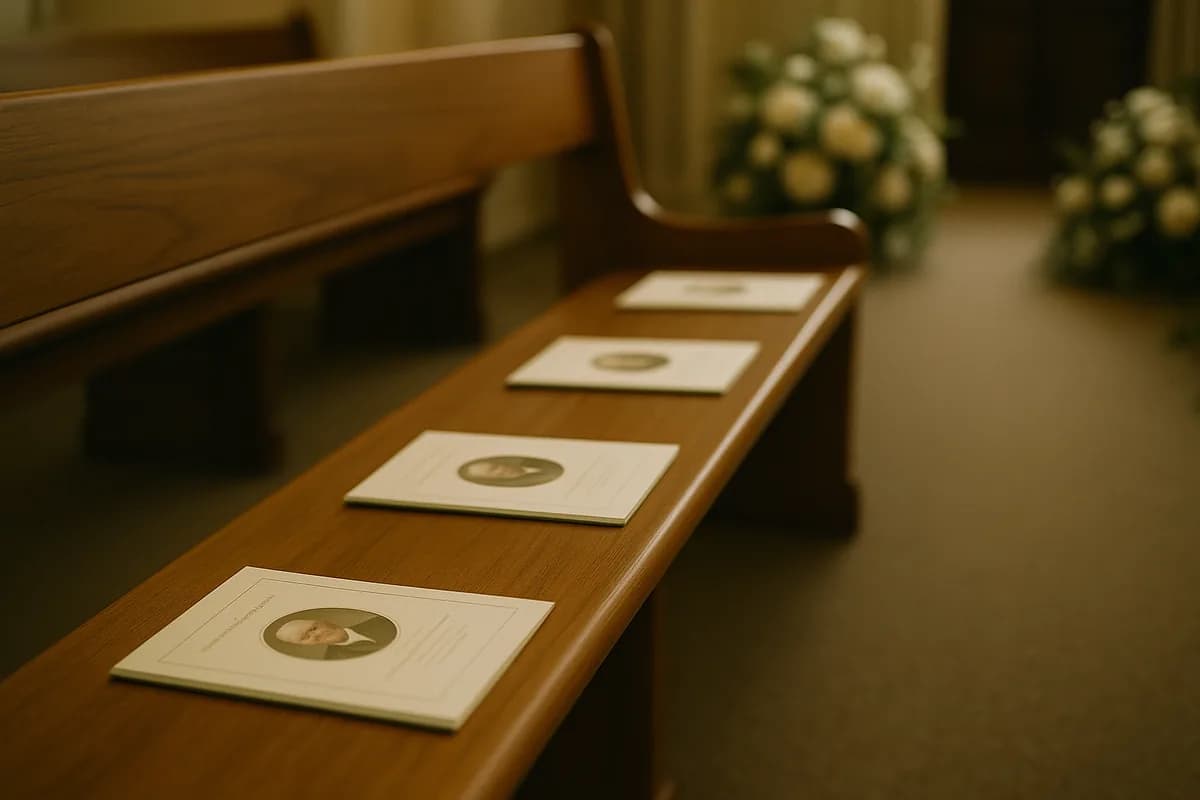
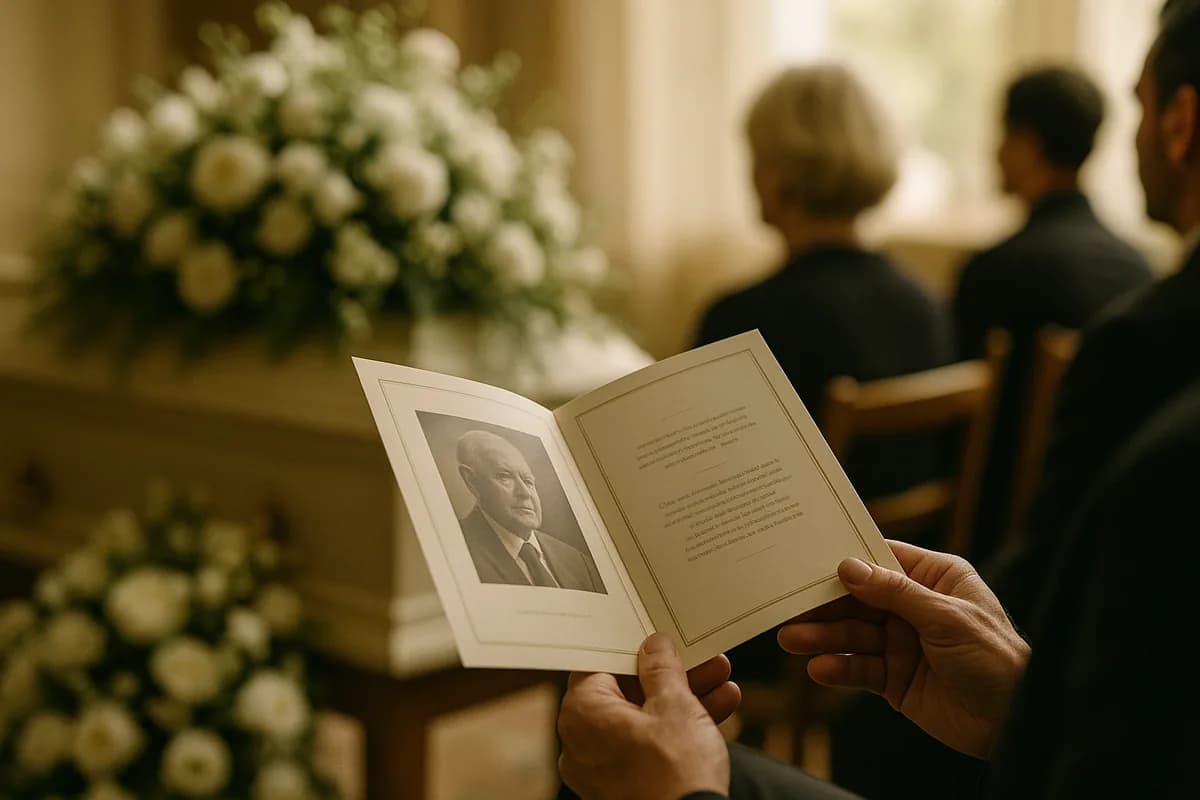
- The program is a keepsake. Programs often run several pages, with photographs throughout. The same encyclopedia lists "elaborate programs" among the hallmarks of these funerals.
A typical homegoing order of service
Every church does it a little differently, and the family and pastor settle the final order together. This is a common shape:
- Family viewing and visitation, often in the hour before the service
- Processional, with the family entering behind the clergy
- Hymn, sung by the congregation
- Scripture readings, often one from the Old Testament and one from the New
- Prayer of comfort
- Musical selection by the choir or a soloist
- Acknowledgements and the reading of cards and condolences
- Resolutions, the formal tributes from the church and organizations
- The obituary, which many programs mark "read silently" while music plays
- Reflections, two or three short tributes from family or friends
- Musical selection
- Eulogy, the sermon, usually delivered by the pastor
- Final viewing and recessional
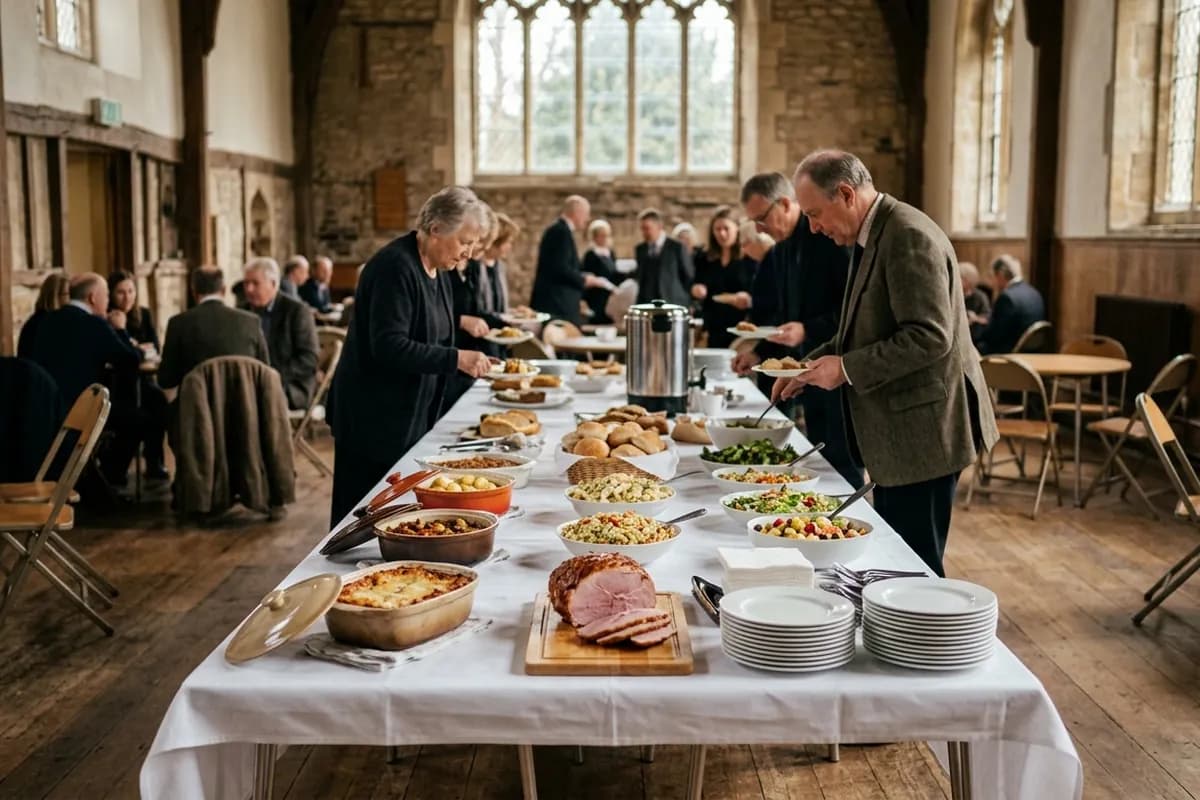
- Interment, followed by the repast
The funeral guidelines at Metropolitan Baptist Church put it plainly: "The order of service should follow as printed in the program." That is why the program matters as much as it does. It is the script everyone in the room follows. For more variations, see our funeral order of service examples.
What are resolutions?
Resolutions are one of the most distinctive parts of a homegoing. A resolution is a formal written tribute from an organization the deceased belonged to: their church, a lodge, a sorority or fraternity, a union, an employer or a civic club. It usually opens by acknowledging God, records the person's membership and service, and closes by extending sympathy to the family.
When several arrive, many churches read only one or two aloud and print the rest in the program, which keeps the service from running long. Ask the pastor how they handle it before the program goes to print.
What goes in a homegoing program
Because the program is kept for years, families put real care into it. A full homegoing program usually includes:
- Cover: a portrait, the full name and the dates, often styled "Sunrise" and "Sunset"
- Order of service: exactly as it will run
- Obituary: the life story, with family members listed
- Photo pages: a collage from childhood to the final years
- Resolutions: any that are not read aloud
- Acknowledgements: the family's thank-you. See our 30 funeral acknowledgement examples
- A poem or scripture: a favorite verse, or one of the funeral poems families use most
- Pallbearers and flower bearers
- Interment and repast details
- Funeral home credit: the funeral home entrusted with the service
That is why homegoing programs often run to eight pages or more, where a typical funeral program might be four. Our guide to what to include in a funeral program covers each element in detail.
What to wear to a homegoing
Follow the family's lead. If the obituary or the announcement asks for white, a particular color or a theme, wear it. Otherwise dress as you would for a Sunday service: this is a church occasion, and dressing up is a sign of respect. Dark or muted colors are always a safe choice. There is more guidance in what to wear to a funeral.
Etiquette for guests
- Arrive early. Viewing and visitation often happen right before the service, and the seats fill.
- Join in. You are welcome to sing, respond and say amen. Nobody expects you to know every hymn.
- Sign the guest book so the family knows you came.
- Stay for the repast if you are invited. It is part of the day, not an afterthought. Here is what a funeral repast is.
- Expect it to run long. Keep the afternoon clear.
Common questions
What does homegoing mean?
Homegoing refers to the deceased going home to God. In the African American church tradition the funeral is called a homegoing service because death is understood as a return home to heaven, and the service celebrates that homecoming as well as mourning the loss.
Is a homegoing service the same as a funeral?
Yes. A homegoing service is a funeral; the name reflects the faith behind it. It follows the shape of a Christian funeral, with scripture, prayer, music, the obituary and a eulogy, but with a more celebratory tone, more music and usually a more elaborate program.
How long does a homegoing service last?
It varies by church and family, but many run well past an hour, and longer with several musical selections, tributes and resolutions. With visitation beforehand, the whole service can take up most of a morning.
What is the difference between a homegoing and a celebration of life?
A homegoing is specifically a Christian funeral in the African American church tradition, usually held in a church with the body present. A celebration of life is a broader term, often for a less formal or non-religious gathering, and frequently held after cremation.
What is a resolution at a funeral?
A formal written tribute from an organization the deceased belonged to, such as their church, a lodge, a sorority or fraternity, or an employer. Resolutions record the person's membership and service and extend sympathy to the family. Usually one or two are read aloud and the rest are printed in the program.
What should I say at a homegoing service?
Keep it simple and sincere: "I'm so sorry for your loss" or "She meant so much to us." If you share the family's faith, words of comfort such as "He's home now" are often welcome. Sharing a short memory of the person is one of the kindest things you can offer.