The Tribute Journal
What to Include in a Funeral Program
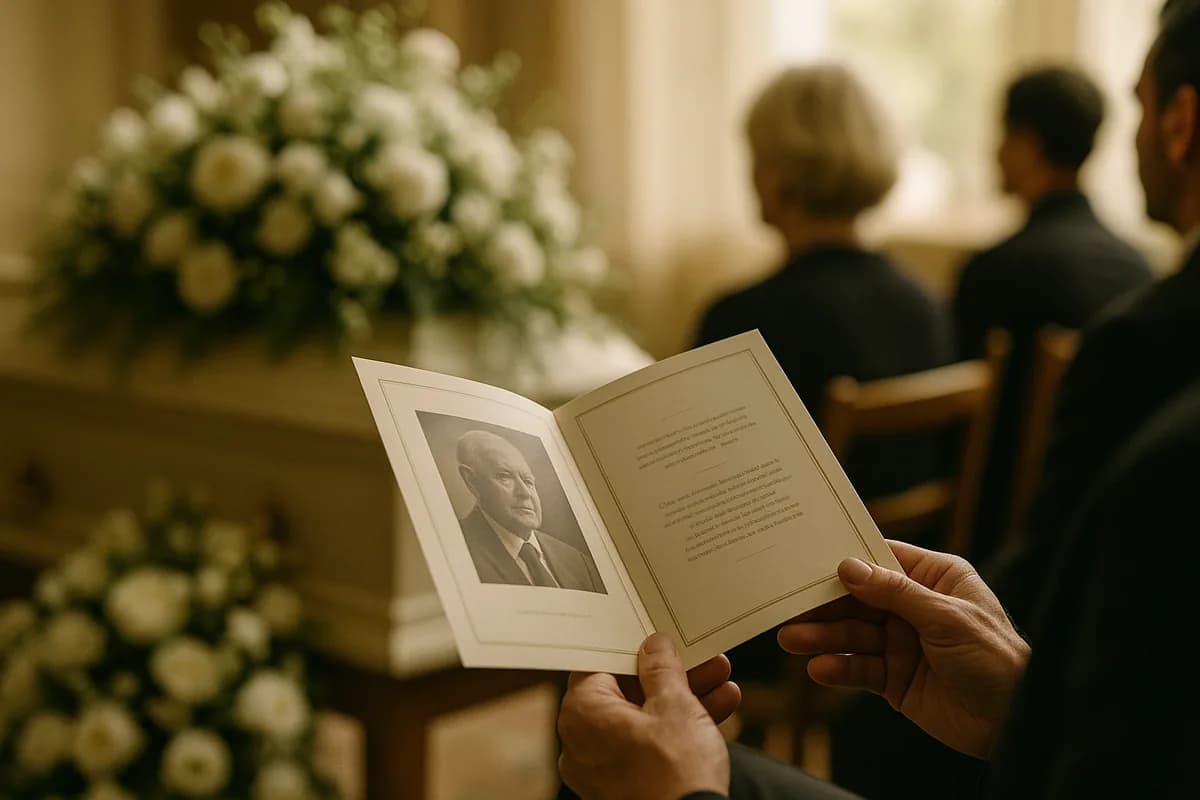
A funeral program has room for more than most people expect — and also less than they fear. You do not need to include everything, and trying to will only crowd the page. What follows is the full menu of sections a program can hold, arranged in the order they usually appear, with a note on which are essential and which are optional. Take what serves the life you are honoring and leave the rest.
If you are building a program from scratch, you may want to read our overview first: how to make a funeral program. This guide zooms in on the contents alone.
The front cover
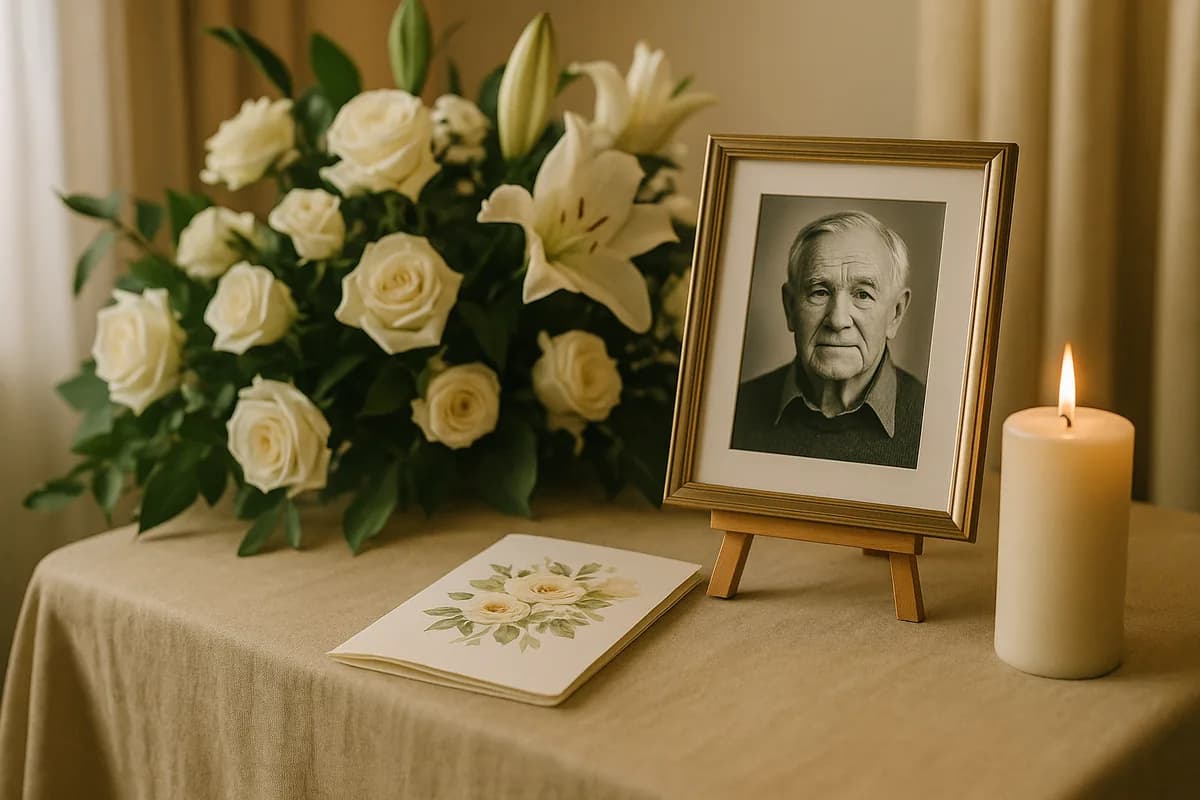
The cover is the face of the program and the first thing a mourner holds. Keep it simple and let the photograph carry it. A cover typically includes:
- A favorite photograph of your loved one — clear, well-lit, and reproduced at high resolution.
- Their full name, often with a maiden name or the nickname everyone knew them by.
- The dates of birth and passing, sometimes joined by a simple dash or the words "In Loving Memory."
- A short heading such as "Celebration of Life," "In Loving Memory," or "A Service of Thanksgiving."
The order of service
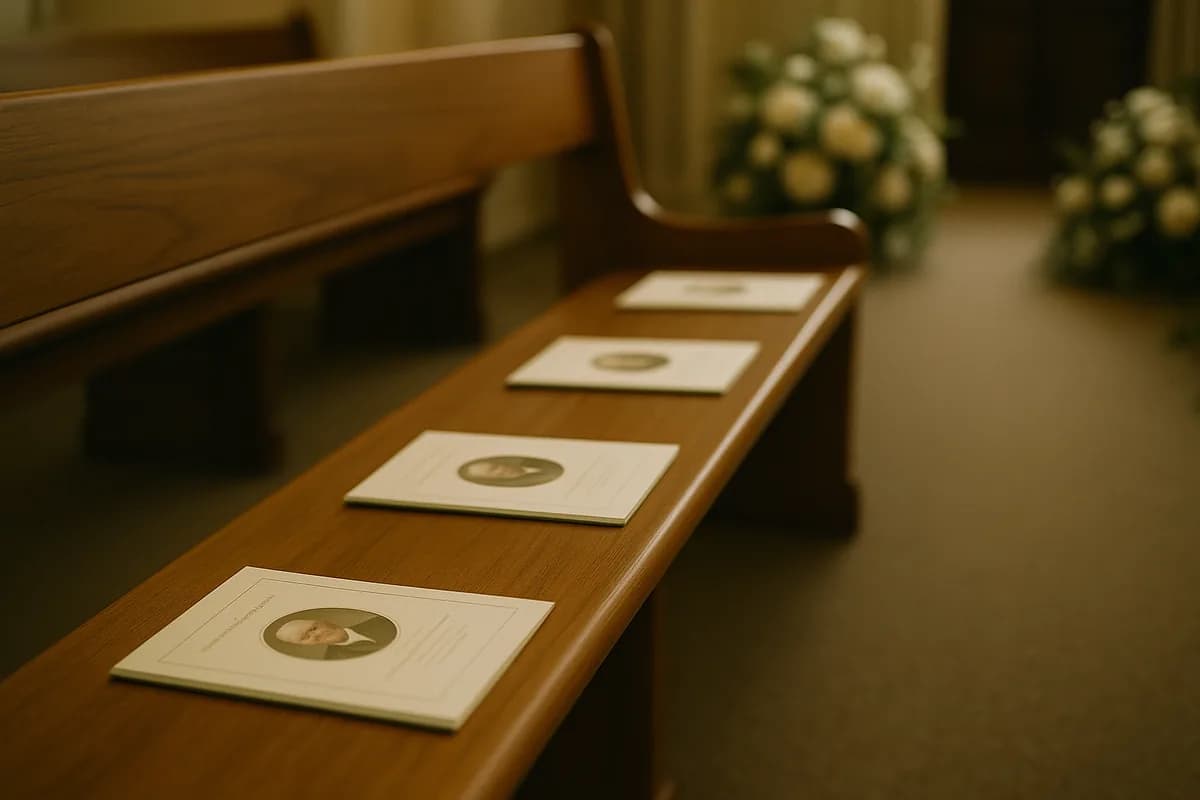
This is the practical core of the program — the sequence of the ceremony, so guests know what is happening and when to participate. It is usually printed on the inside as a clean list: the opening words, hymns and songs, scripture or readings, prayers, the eulogy or tribute, any musical interludes, the committal, and the closing. Naming who leads each part (the officiant, a soloist, a grandchild reading a poem) adds warmth and helps the day run smoothly.
The exact order depends entirely on the faith and family. For ready-to-adapt sequences across several traditions, see our funeral order of service examples.
The obituary or life story
Many programs include a short biography — where your loved one was born, the shape of their life, the people and passions that filled it, and who survives them. In a program, this is usually a condensed version; the full obituary can live in the newspaper or online. Even a few well-chosen sentences let a room of people, some of whom never met, understand who this person was.
If the words are hard to find, our guide on how to write an obituary offers a simple structure, and our collection of obituary examples has twelve complete ones you can copy and adapt.
Photographs beyond the cover
A booklet-style program has room for a small gallery — a collage inside, or single photos beside the readings. Choose images that tell a story across a life: a wedding, a favorite chair, grandchildren, a garden. A handful of meaningful photographs is far more moving than a page packed edge to edge. Make sure each is high enough resolution to print without blurring.
Poems, scripture, and readings
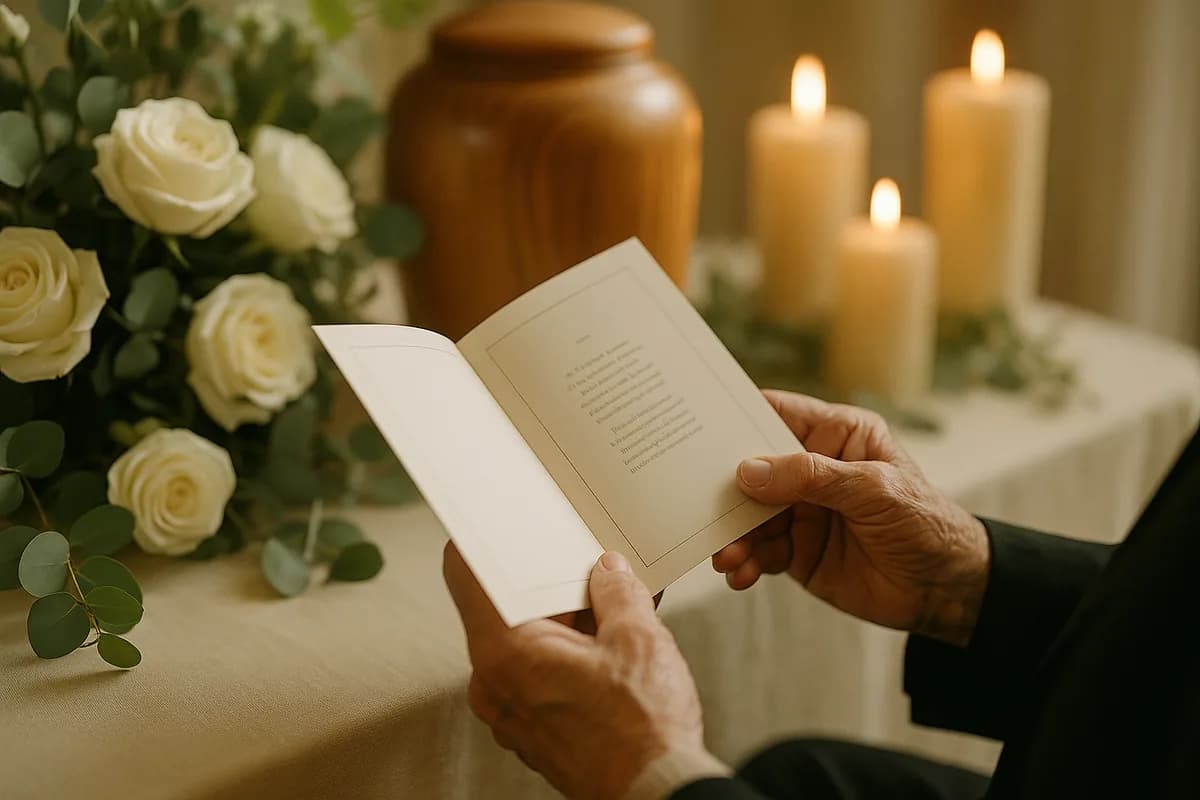
A poem or passage of scripture gives the program a voice and a moment of stillness. This might be a reading used in the service, or simply a verse the family loves printed on the back panel. Well-known public-domain poems and psalms are perennial choices because they carry comfort without needing explanation.
Browse our curated comforting funeral poems and our themed collection of Bible verses for a funeral program to find something that fits the tone.
Pallbearers and participants
It is a longstanding kindness to name those who serve at the service. This includes pallbearers (and honorary pallbearers), and often the officiant, musicians, soloists, and anyone giving a reading or eulogy. Listing their names is a quiet thank-you that guests notice and families treasure.
If you are still deciding who to ask, our guide to pallbearers covers how many you need, what an honorary pallbearer is, and how the two lists are set out on the page.
Acknowledgements and thank-you
The back panel traditionally carries a message of thanks from the family — gratitude for the support, food, flowers, prayers, and presence of the community during a difficult time. A short, sincere paragraph is all it needs. There are thirty ready-to-copy versions in our funeral acknowledgement examples. Many families also include a favorite verse or a simple closing line here.
For the individual notes that follow in the weeks after, see our funeral thank you card wording examples — and if guests are asking what to write to you, sympathy card messages covers the other side of it.
Reception and memorial-donation details
Practical notes belong near the end: the location and time of any reception or repast, and — if the family prefers — a request for memorial donations to a named charity in lieu of flowers. These small details save guests from asking and make the day easier for everyone.
A simple rule for what to leave out
When in doubt, ask one question: does this help a guest follow the service, or help the family remember? If it does neither, it can go. A program that holds a strong cover photo, a clear order of service, a short life story, and one beloved reading is complete. Everything else is a welcome addition, not a requirement.