The Tribute Journal
Pallbearers: How Many You Need, Who to Ask, and What They Do
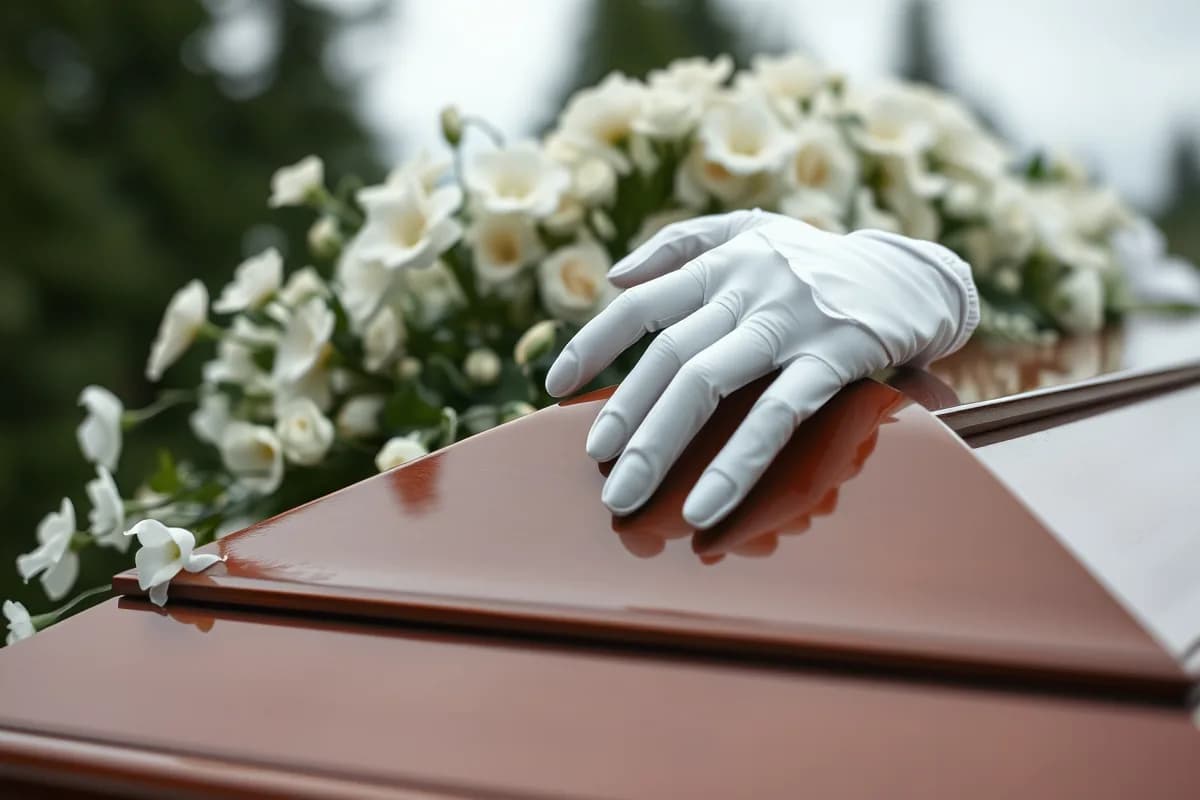
Choosing pallbearers is one of the few funeral decisions that is genuinely an honor to hand out rather than a chore to get through. Here is what the role involves, how many people you need, and how to handle the awkward parts — including what to do when you cannot find six.
How many pallbearers do you need?
Six is standard — three on each side. That is the number most caskets are built for, with six handles, and the number funeral directors will assume unless you say otherwise.
- Six — the norm for a standard casket, and the safest default.
- Eight — used for a heavier casket, or simply to include more people. Two take the front and back rather than the sides.
- Four — workable for a smaller casket or a cremation urn procession, though it is more weight per person.
- Two — sufficient for an urn, which one person can carry alone if needed.
A casket with an adult inside commonly weighs between 300 and 500 pounds in total. Split six ways that is manageable for most healthy adults over a short distance, but it is real weight and it matters who you ask.
What is a pallbearer?
A pallbearer helps carry or escort the casket — typically from the hearse into the church or chapel, out again after the service, and to the graveside. The name comes from the "pall," the cloth traditionally draped over a casket, which mourners once carried at the corners.
What is an honorary pallbearer?
An honorary pallbearer is named and recognized but does not carry any weight. They usually walk ahead of or beside the casket, or are simply seated in a reserved row and listed in the program.
This is a genuinely useful solution, and families under-use it. It lets you honor someone who is elderly, unwell, very young, living far away, or simply one person too many for six slots — without anyone being left out. There is no limit on how many honorary pallbearers you can name.
Who should you ask?
Traditionally: sons, sons-in-law, grandsons, brothers, nephews, and close friends. In practice, anyone the person was close to and who is physically able.
- Adult grandchildren — often the most meaningful choice, and increasingly common.
- Close friends, especially lifelong ones.
- Colleagues, teammates, or fellow service members.
- Women — pallbearers are not required to be men, and this convention is fading fast.
- The funeral home staff — they will provide bearers if the family prefers, and there is no shame in it whatsoever.
What pallbearers actually do on the day
- Arrive early — 30 to 45 minutes before the service. The funeral director will brief everyone.
- Sit together in a reserved row, usually near the front on one side.
- Carry the casket from the hearse into the venue before the service, or follow it in, depending on the arrangement.
- Carry it out after the service to the hearse.
- Travel to the cemetery, usually near the front of the procession.
- Carry the casket to the graveside and set it on the lowering device.
- At a military funeral, step back for the flag folding and honors.
The funeral director choreographs all of it and will tell everyone exactly where to stand. Nobody is expected to know this in advance.
What should pallbearers wear?
A dark suit and tie, or the equivalent — pallbearers are visible throughout and usually dress a notch more formally than other guests. Practical detail people forget: shoes with grip. Cemetery grass is often wet, and the ground is uneven. White gloves are traditional and are usually supplied by the funeral home if they are being used. Our funeral etiquette guide covers dress for everyone else attending.
How to list them in the program
Pallbearers are named in the funeral program, normally on the inside back panel or beneath the order of service. Two short lists, clearly headed:
- Pallbearers — full names, one per line, usually in no particular order.
- Honorary Pallbearers — listed directly beneath, same format.
Check every spelling twice. A misspelled pallbearer name is one of the most common and most-remembered errors in a funeral program. Our checklist of what to include in a funeral program shows where this section sits among the others.
What if you can't find six?
This is more common than you would think, particularly when someone lived a long life and outlived their friends. Your options, all completely normal: ask the funeral home to supply bearers (they do this constantly), use a church wheel bier so the casket is rolled rather than carried, use four instead of six, or name honorary pallbearers only and let staff handle the carrying. None of it will be noticed by guests, and none of it reflects on the family.
How many pallbearers are needed?
Six is standard — three per side — because most caskets have six handles. Eight can be used for a heavier casket, and four is enough for a smaller casket or an urn.
What is the difference between a pallbearer and an honorary pallbearer?
Pallbearers physically carry or escort the casket. Honorary pallbearers are named and recognized in the program and may walk alongside, but carry no weight — ideal for those who are elderly, unwell, or travelling from far away.
Can a woman be a pallbearer?
Yes. The old convention of men only has largely disappeared. Daughters, granddaughters, sisters and friends serve as pallbearers routinely now.
Do pallbearers get paid?
No — it is an honor, not a job, and family and friends are never paid. If the funeral home supplies staff bearers because there aren't enough family members available, that is billed as part of their service.
Where do pallbearers sit during the funeral?
Usually together in a reserved row near the front, often on one side, so they can move into position quickly at the end of the service. The funeral director will show everyone where to sit.