The Tribute Journal
Funeral Etiquette: What to Wear, Say, and Do
Almost nobody feels confident at a funeral. You want to do right by the family, you are afraid of saying the wrong thing, and the rules feel unwritten. The reassuring truth is that presence matters far more than polish — the family will remember that you came, not whether your tie was the correct shade.
Still, knowing the conventions lets you stop worrying about yourself and pay attention to the people who are grieving. Here is what actually matters. One thing worth settling before you go: whether you are attending a funeral or a memorial service, since the expectations differ — our guide to funeral vs memorial service explains which is which. It is also worth checking whether the gathering is a wake rather than the service itself, since a wake is markedly less formal and has its own conventions (what is a wake).
What to wear
The safe default is conservative and dark: navy, charcoal, deep grey, or black. Clean, pressed, and unremarkable is the goal — you should not be the thing anyone notices.
- Men — a dark suit or dark trousers with a jacket; a collared shirt, tie optional at less formal services.
- Women — a dark dress, suit, or trousers with a modest neckline and hemline; flat or low heels if there is a graveside walk.
- Avoid — bright prints, logos, athletic wear, heavy perfume, and anything you would wear to a party.
- Check the invitation. Celebrations of life often request colorful clothing; a family's wishes always override tradition.
- Consider the weather and the ground. Graveside services mean grass, mud, and standing. Dress for that.
When to arrive and where to sit
- Arrive ten to fifteen minutes early. Arriving late and walking in during a eulogy is the one genuinely awkward mistake.
- Front rows are for family. Sit toward the middle or back unless you are immediate family or have been asked to sit forward.
- Sign the guest book on your way in — families read it afterward, often more than once.
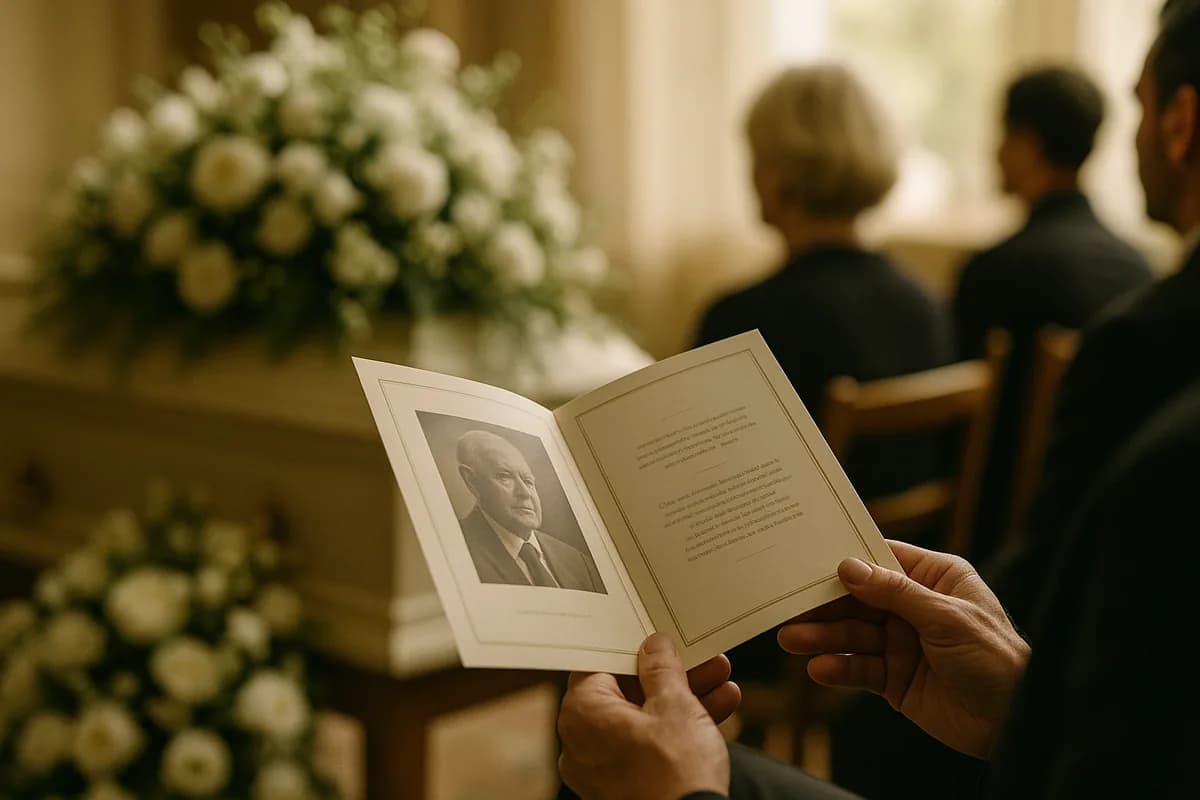
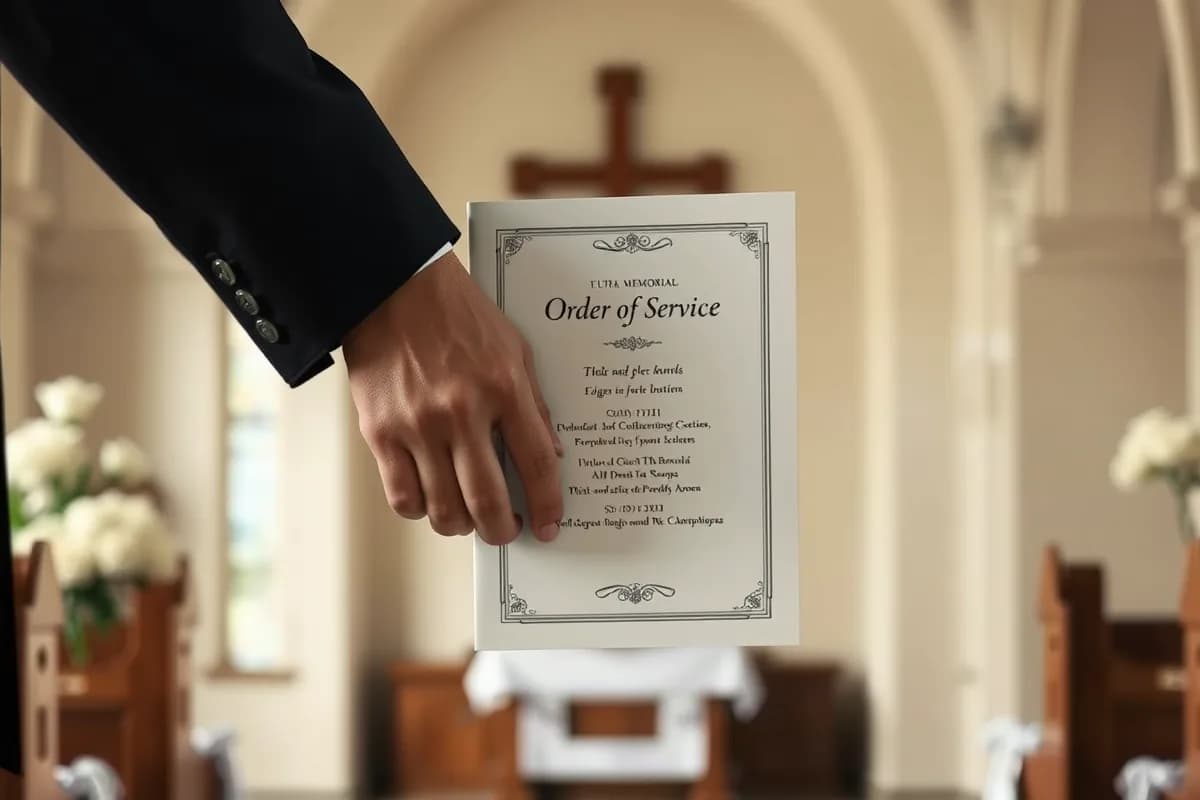
- Take a program and keep it; it tells you what is coming and when to stand.
- If you arrive after the service has begun, slip into the nearest back row quietly rather than walking forward.
What to say to the family
This is what people worry about most, so let it be simple: you do not need to say anything wise. Short, warm, and honest is best. The family will hear a hundred sentences today and remember the feeling, not the wording.
- "I am so sorry for your loss."
- "I loved him. I am going to miss him."
- "She was so kind to me when I was new here — I have never forgotten it."
- "There are no words. I just wanted to be here."
- "You are in my thoughts, and I am not going anywhere. I will call next week."
- "He talked about you constantly. He was so proud of you."
If you knew the person well, tell one specific story. "He once drove two hours to help me move a sofa and refused gas money" is worth more than any condolence phrase. Specific memories are a gift — they show the family that their person mattered beyond the family circle.
What not to say
Most unhelpful remarks come from good intentions — an urge to explain the loss or make it smaller. Grieving people rarely want either.
- "It was for the best" / "At least they are no longer suffering." — Let the family decide how to feel.
- "Everything happens for a reason." — This asks them to justify their loss.
- "I know exactly how you feel." — Even if you have lost someone, this shifts focus to you.
- "At least they lived a long life." — Ninety-four years does not make the absence smaller.
- "How did it happen?" — Never ask for details at the service.
- "Let me know if you need anything." — Well meant, but it puts the work on them. Offer something concrete instead: "I am bringing dinner Thursday."
Flowers, donations, and cards
- Read the obituary or program first. If it says "in lieu of flowers," honor that and give to the named charity instead.
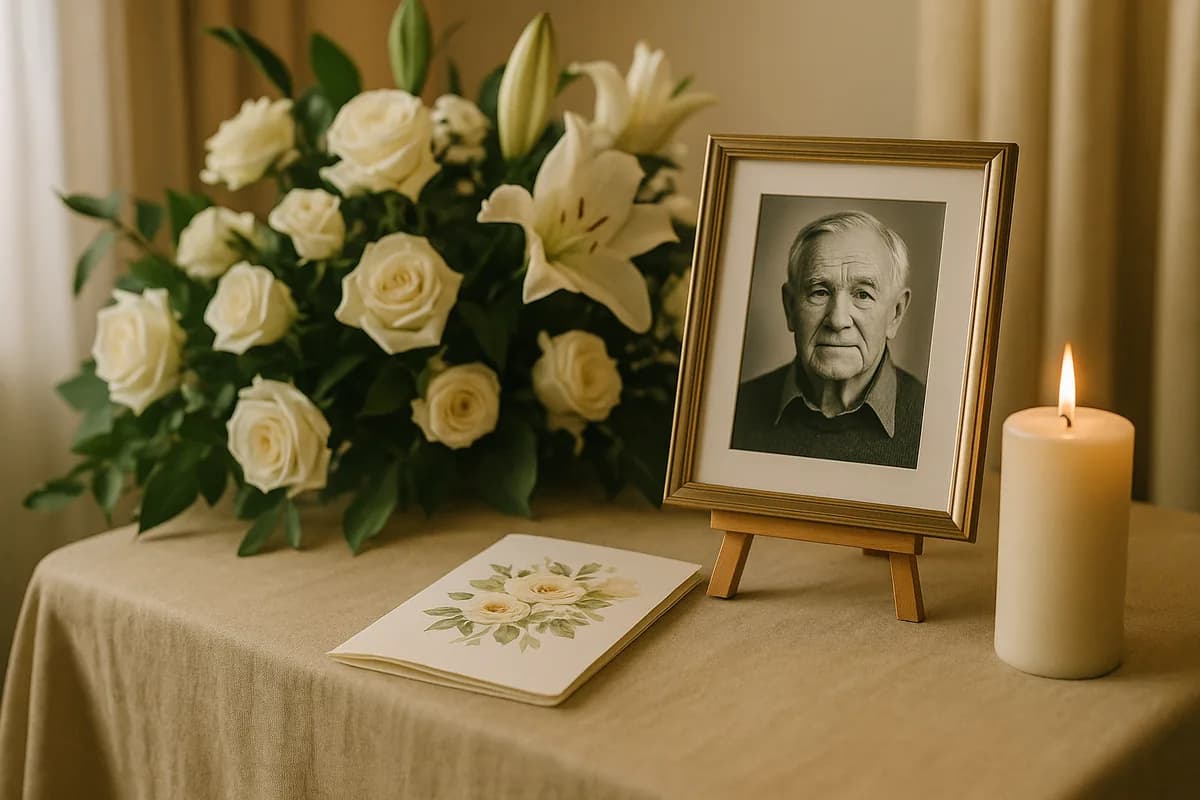
- Send flowers to the funeral home before the service, or to the family's home afterward — arrangements arriving later are often more comforting, when the house has gone quiet.
- Sign the card legibly, including how you knew them, so the family can thank you later.
- A card sent two or three weeks afterward is unexpectedly meaningful. The first week brings a flood; the fourth brings silence.
Phones and photographs
- Silence your phone entirely — not vibrate, which is still audible in a quiet chapel.
- Do not take photographs during the service unless the family has explicitly asked someone to.
- Do not post about the death on social media before the family has. This causes real pain, and happens often.
- If you are streaming for distant relatives, arrange it with the family beforehand.
Bringing children
Children are welcome at most funerals, and being included often helps them understand what has happened. Prepare them for what they will see, sit near an exit, and bring something quiet. If your child is likely to be distressed or loud throughout, arranging care may be kinder to everyone — including the child.
The reception afterward
- If you are invited, go — even briefly. Numbers comfort a family.
- This is the moment for stories. The formal part is over; conversation is the purpose.
- Offer something specific: a lift, a school run, a meal on a named day.
- Do not linger too long unless you are close family; the family is exhausted.
In the weeks that follow
Funeral etiquette does not end at the service, and this is where most people quietly fall short. Grief lasts far longer than casseroles. Put a note in your calendar for one month out, three months, and the first anniversary — a short message on those days matters more than anything you said on the day itself.
If you are the one planning the service rather than attending it, our step-by-step guide to making a funeral program walks through the whole process, and we can design the program for you if the week is already too full.
Is it rude to not attend a funeral?
No. People have work, distance, health, and children to manage, and families understand. Send a card or a message instead, and follow up a few weeks later — that is genuinely appreciated.
What do you say in a short condolence message?
"I am so sorry for your loss. I am thinking of you." One sincere sentence is enough. If you knew the person, add one specific memory.
Should you wear black to a funeral in 2026?
Dark clothing is still the norm, but strict black is no longer required. Follow the family's wishes if the invitation mentions colors, and choose something conservative if it does not.
How much should you give in a memorial donation?
Any amount is welcome and no amount is expected. Give what is comfortable — families are told the total given in their loved one's name, not who gave what.
Do you bring a gift to a funeral?
Not a gift, but flowers, a card, food for the family, or a donation to the named charity are all customary and kind.