The Tribute Journal
Funeral vs Memorial Service: What's the Difference?
One difference decides all the others: at a funeral the body is present; at a memorial service it is not. Everything else — when it happens, what it costs, what you wear, how formal it feels — follows from that single fact.
The terms get used loosely, including by funeral homes, so it is worth knowing which one you are actually attending or planning.
The difference in one table
- Body present — Funeral: yes, in a casket, open or closed. Memorial: no; often an urn or a framed portrait instead
- Timing — Funeral: usually within a week, driven by the body. Memorial: any time — weeks, months, or on an anniversary
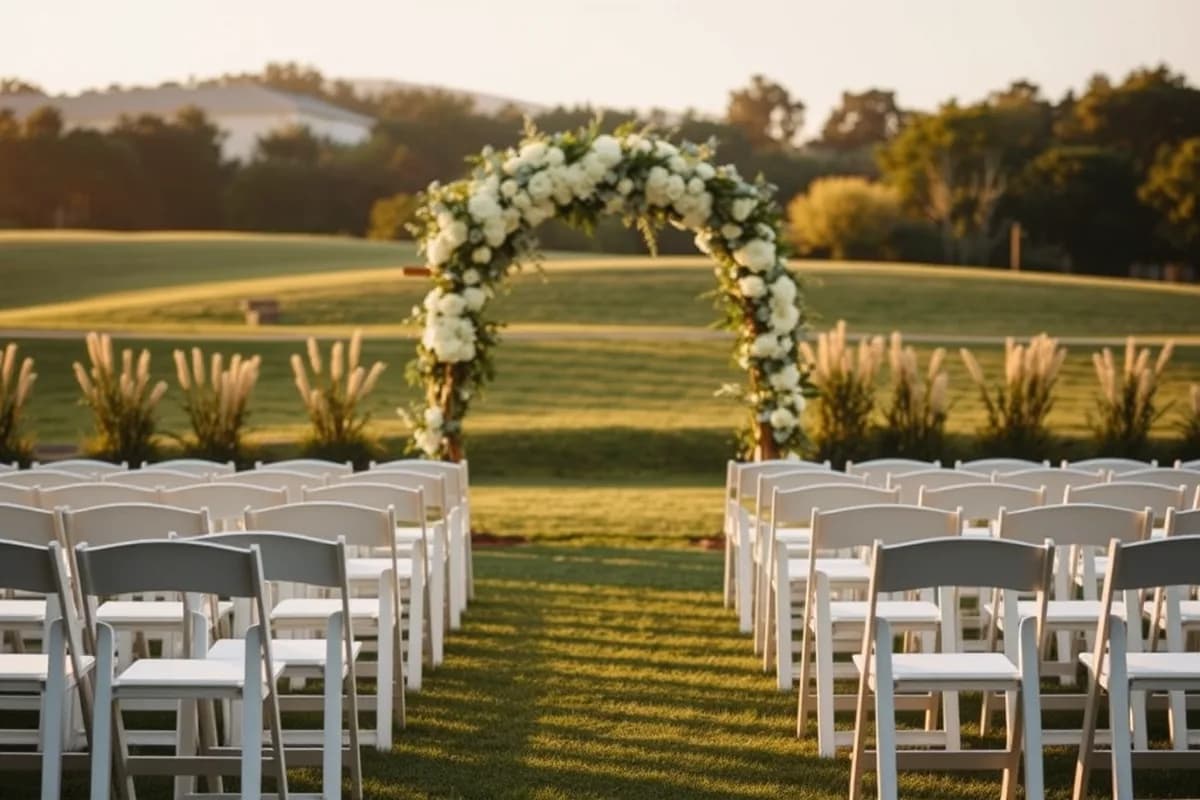
- Location — Funeral: funeral home, church, or graveside. Memorial: anywhere — a hall, a home, a garden, a restaurant, a beach
- Formality — Funeral: generally more formal and traditional. Memorial: as formal or relaxed as the family chooses
- Cost — Funeral: higher; casket, transport, staff and facilities. Memorial: much lower, sometimes almost nothing
- Burial or cremation — Funeral: typically followed immediately by committal. Memorial: usually after cremation or burial already happened
What happens at a funeral
A funeral is built around the body and the act of laying it to rest. It usually runs in a fixed sequence: a gathering or viewing, a service with readings, prayers and a eulogy, then a procession to the graveside for the committal. Because the body is present, timing is not flexible — most funerals happen within three to seven days.
That compression is why funerals feel rushed to plan. Our funeral planning checklist sets out what has to happen in the first 48 hours versus what can wait.
What happens at a memorial service
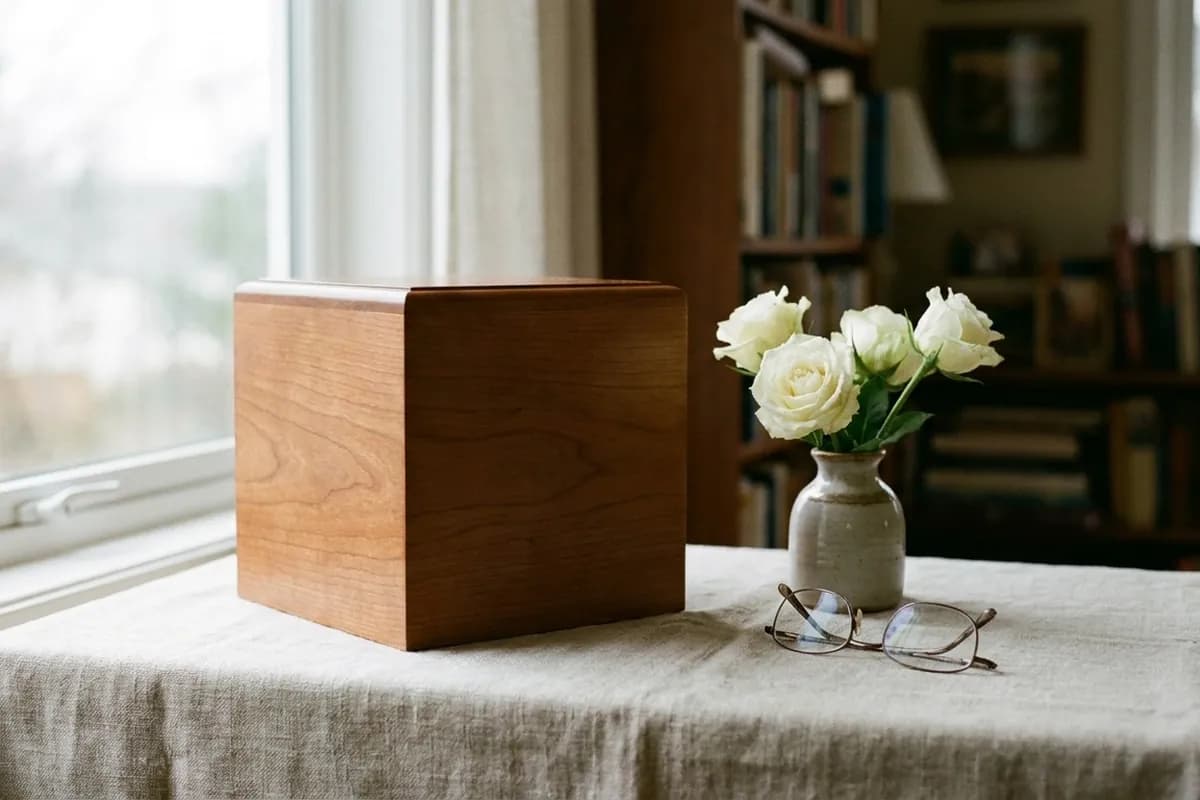
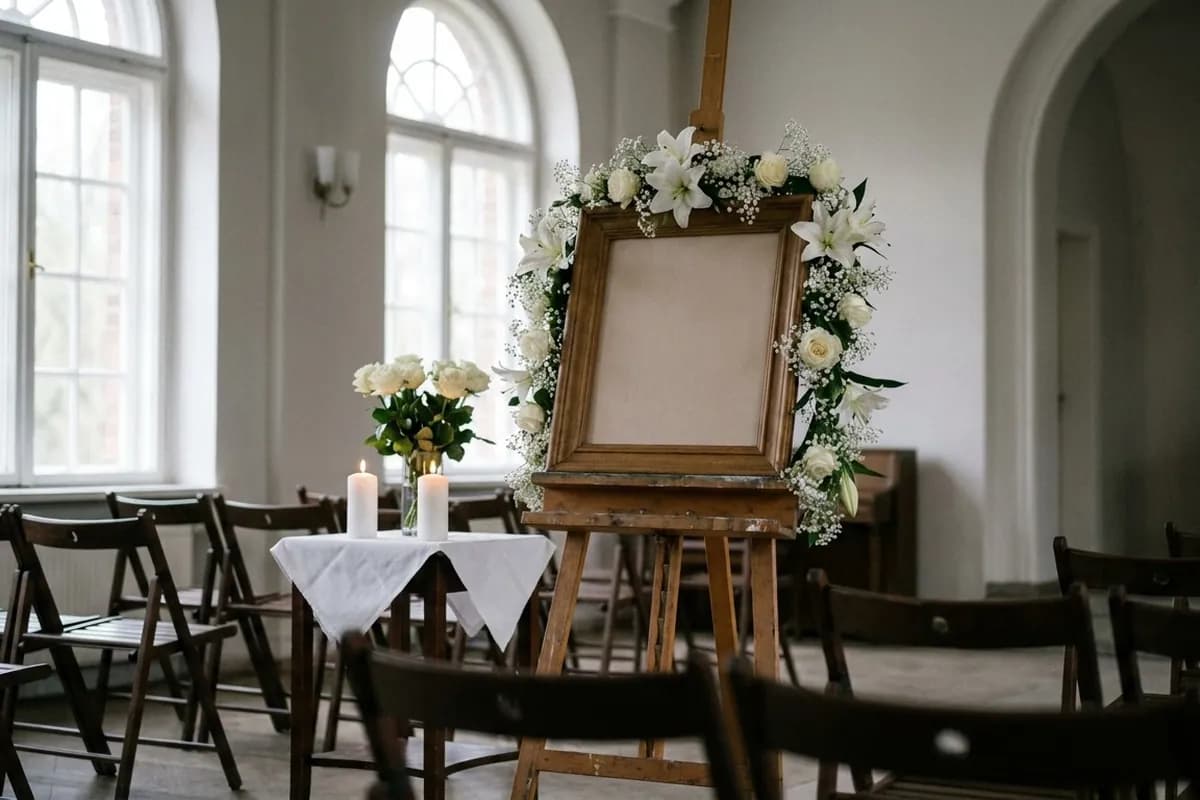
A memorial service honors the person without the body in the room. Cremated remains may be present in an urn, or nothing physical at all beyond a photograph, candles and flowers. Because nothing is waiting, the family sets the date — which is why memorial services are common when relatives must travel, when a death happened abroad, or when the family simply needs time.
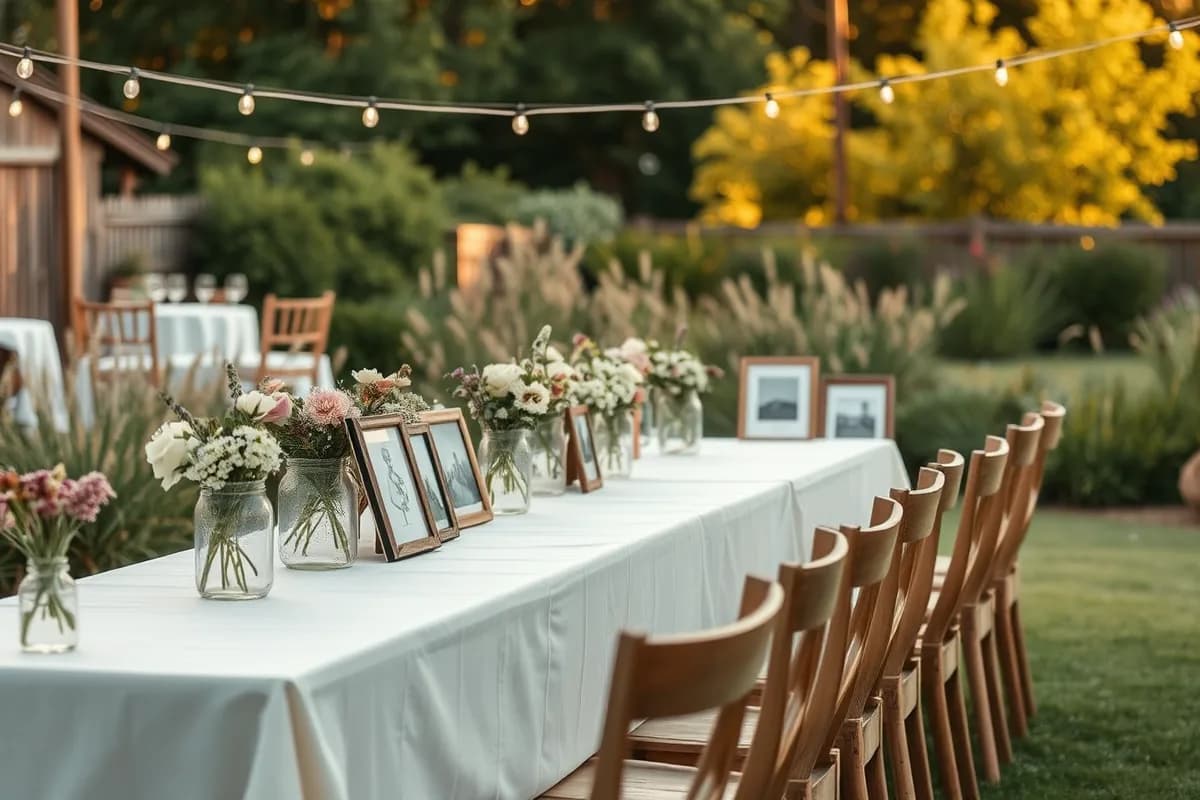
The structure is looser. There is often no procession and no committal. Open sharing, music the person loved, and a photo slideshow appear far more often than at funerals. Our memorial service ideas cover the format in detail.
Can you have both?
Yes, and it is increasingly common — and it is the usual pattern when a family chooses cremation, which our guide to cremation vs burial compares in full. A small private funeral or graveside committal for immediate family within days, then a larger memorial service weeks later once everyone can travel. This is often called a direct burial or direct cremation followed by a memorial, and it is usually the least expensive arrangement as well as the least rushed.
Two gatherings means two guest lists and, if you want them, two programs — a short card for the committal and a fuller one for the memorial.
What to wear to each
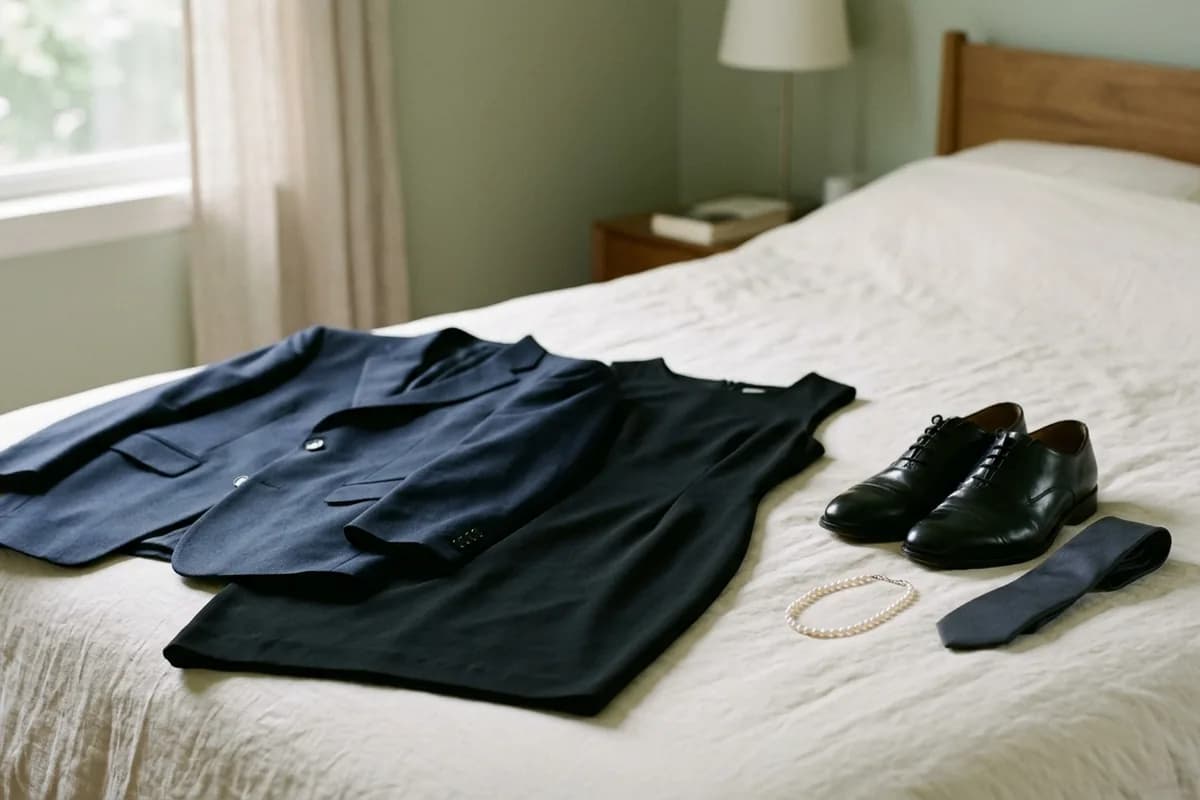
- Funeral — dark, conservative, covered. Black, charcoal or navy. Assume formal unless told otherwise
- Memorial service — still respectful, but a step softer; dark colors are safe and not required
- Celebration of life — follow the invitation. Families often explicitly ask for color, and honoring that request matters more than looking somber
- When in doubt — dark and simple is never wrong at any of the three
Our full guide covers each setting, weather, and religious traditions: what to wear to a funeral.
Does the program differ?
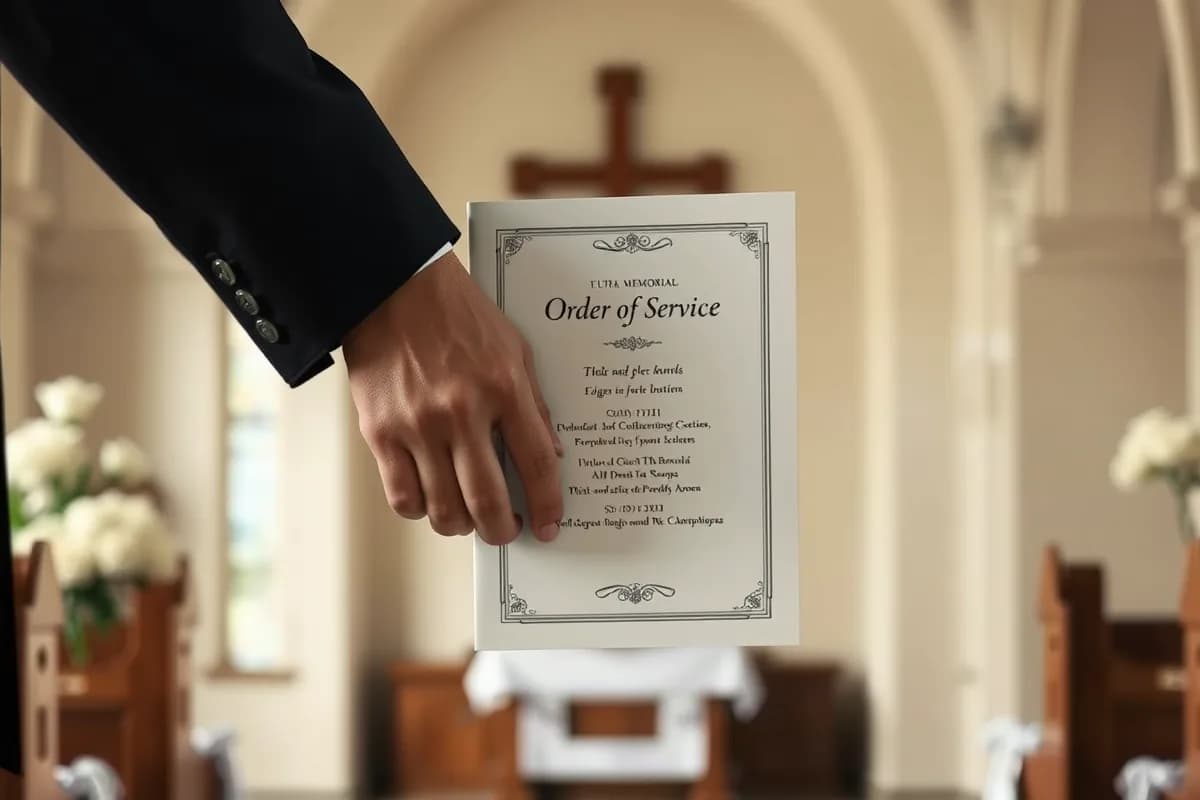
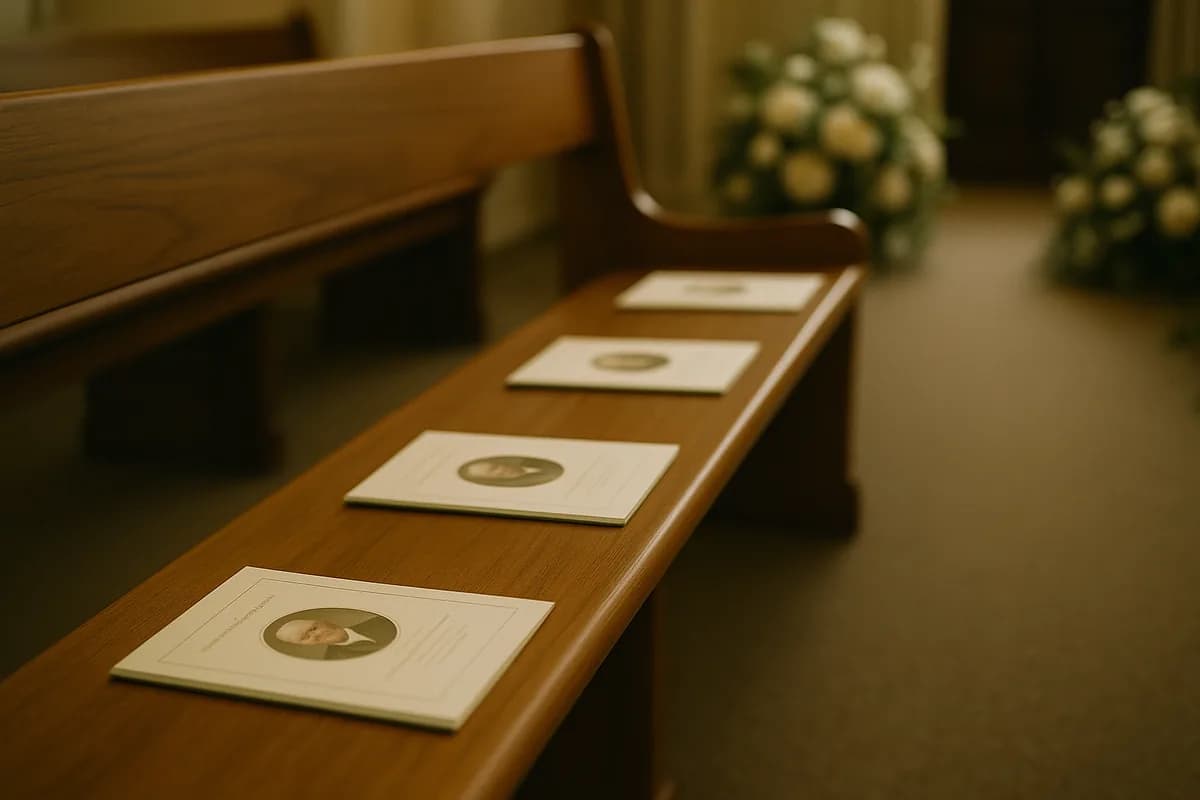
The printed piece is similar but not identical. A funeral program follows the order of service closely, because guests use it to know when to stand, sing and pray. A memorial program leans more on the life story and photographs, since there is less procedure to follow.
- Funeral program — cover, service details, full order of service, obituary, pallbearers, committal information
- Memorial program — cover, gathering details, a looser running order, longer life story, more photographs, reception details
- Both — a back panel thanking guests, and a donation line if the family has asked for one
Complete examples of both, written out panel by panel, are in our sample funeral programs and funeral order of service examples.
Common questions
What is the difference between a funeral and a memorial service?
At a funeral the body is present, usually in a casket, and the service is held within days because of that. At a memorial service the body is not present — there may be an urn or just a photograph — so the family can hold it whenever suits, weeks or months later, anywhere they choose.
Is a memorial service the same as a celebration of life?
Not quite. A celebration of life is a type of memorial service with a deliberately upbeat tone, focused on who the person was rather than on mourning. Every celebration of life is a memorial service, but a memorial service can also be quiet, traditional and religious.
Which costs less, a funeral or a memorial service?
A memorial service, usually by a wide margin. It avoids the casket, embalming, transport of the body, and often the funeral home's facility fees. Families who choose direct cremation followed by a memorial service typically spend a fraction of a traditional funeral.
How long after a death is a memorial service held?
There is no rule. Two to six weeks is common, which allows relatives to travel. Some families wait for a milestone — a birthday, an anniversary, or warmer weather if the gathering is outdoors.
Can you have a viewing without a funeral?
Yes. A viewing or visitation can be held privately for family with no formal funeral service afterward, followed later by a memorial service. Funeral homes will arrange this, and it is often described as direct cremation or direct burial with a viewing.
Do you send flowers to a memorial service?
Flowers are welcome at both unless the family has asked otherwise. Because memorial services are often held away from a funeral home, check the venue first — some restaurants and community halls prefer arrangements not be delivered. Our guide to in lieu of flowers wording covers the alternative.